In the food and beverage industry, the floor is more than just a surface to walk on—it's a critical component of your facility's safety, hygiene, and operational efficiency. From commercial kitchens and breweries to large-scale food processing plants, the demands placed on flooring are intense. Spills, heavy equipment, constant moisture, and strict sanitation requirements mean that not just any floor will do. Selecting the right floor coating is a crucial decision that impacts everything from employee safety to regulatory compliance.
This guide will walk you through the key considerations for choosing a floor coating that can withstand the unique challenges of a food and beverage environment, ensuring your facility remains safe, clean, and productive.
Why Standard Flooring Fails in Food & Beverage Environments
Conventional flooring materials like tile, vinyl, or bare concrete are simply not equipped for the rigors of the food and beverage industry.
- Tile Grout Lines: Grout is porous and notoriously difficult to clean, making it a breeding ground for bacteria, mold, and mildew.
- Vinyl Composition Tile (VCT): The seams in VCT can trap moisture and contaminants, and the material can be easily damaged by harsh cleaning chemicals and heavy traffic.
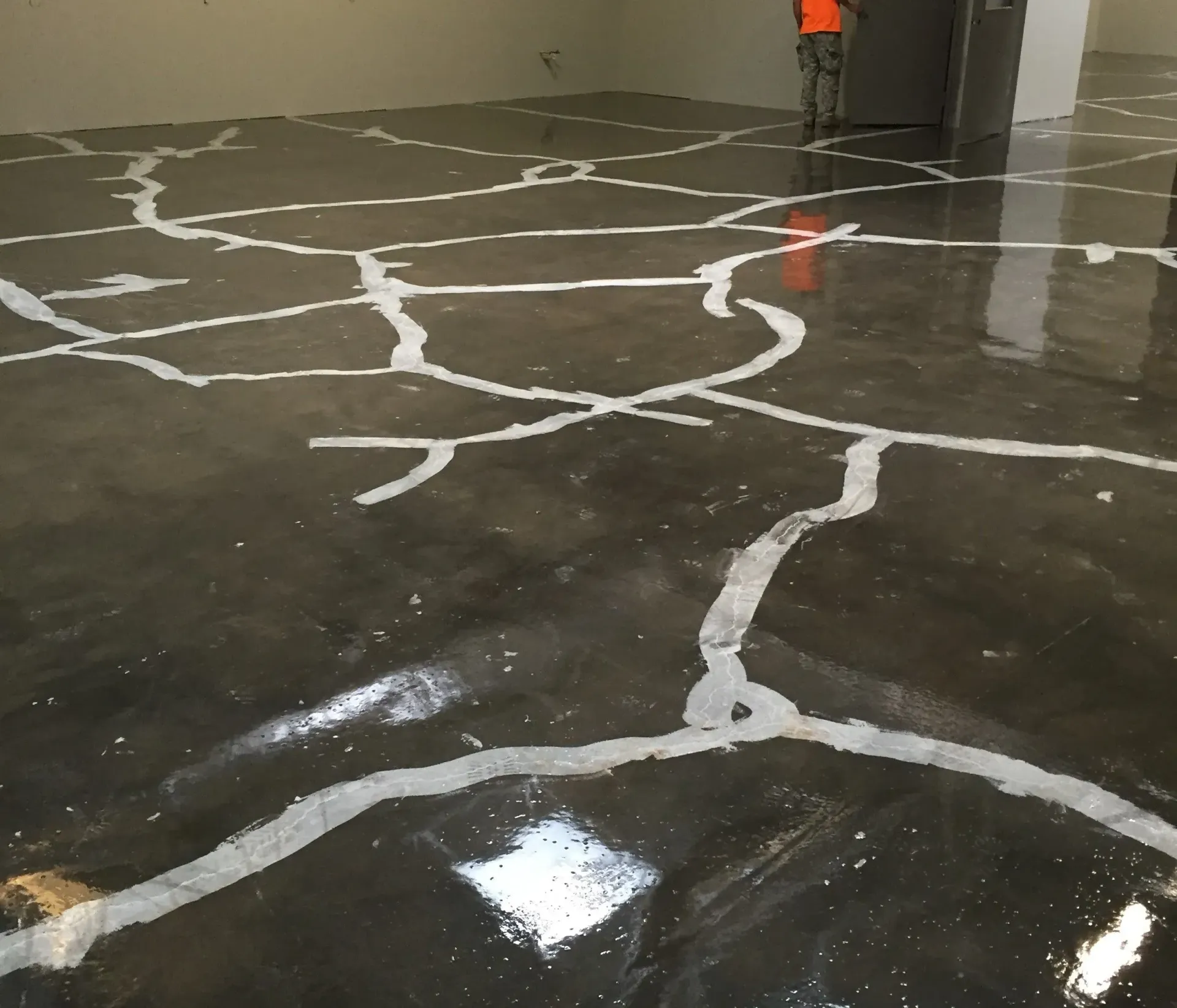
- Bare Concrete: While durable, unsealed concrete is porous. It readily absorbs liquids, oils, and fats, leading to deep-seated stains, bacterial growth, and eventual degradation.
These materials create significant hygiene risks and lead to costly maintenance and premature replacement. A high-performance, seamless flooring system is essential.
Did You Know? The USDA and FDA have strict guidelines for flooring in food processing areas. Floors must be non-absorbent, easily cleanable, and durable to prevent contamination and ensure food safety.
Key Factors for Selecting Your Floor Coating
When evaluating options, focus on these critical performance characteristics. Each factor plays a vital role in the longevity and effectiveness of your flooring solution.
1. Hygiene and Sanitation
In a food facility, cleanliness is non-negotiable. The ideal flooring system must support your sanitation protocols without degrading.
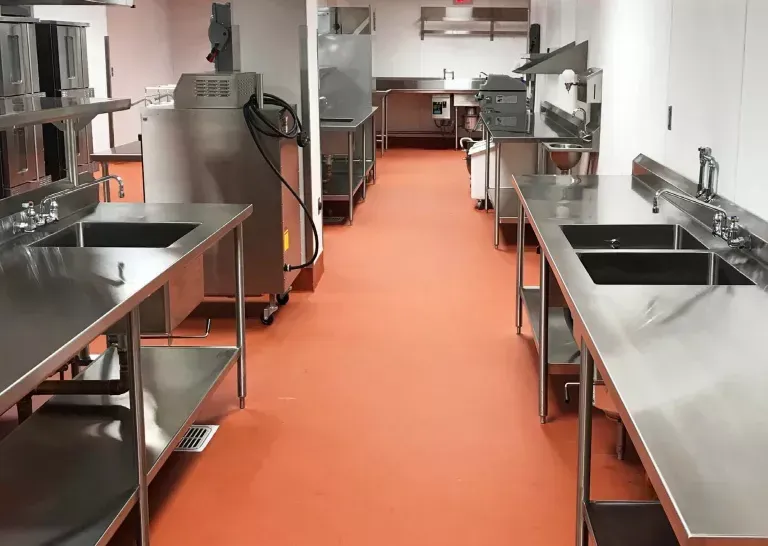
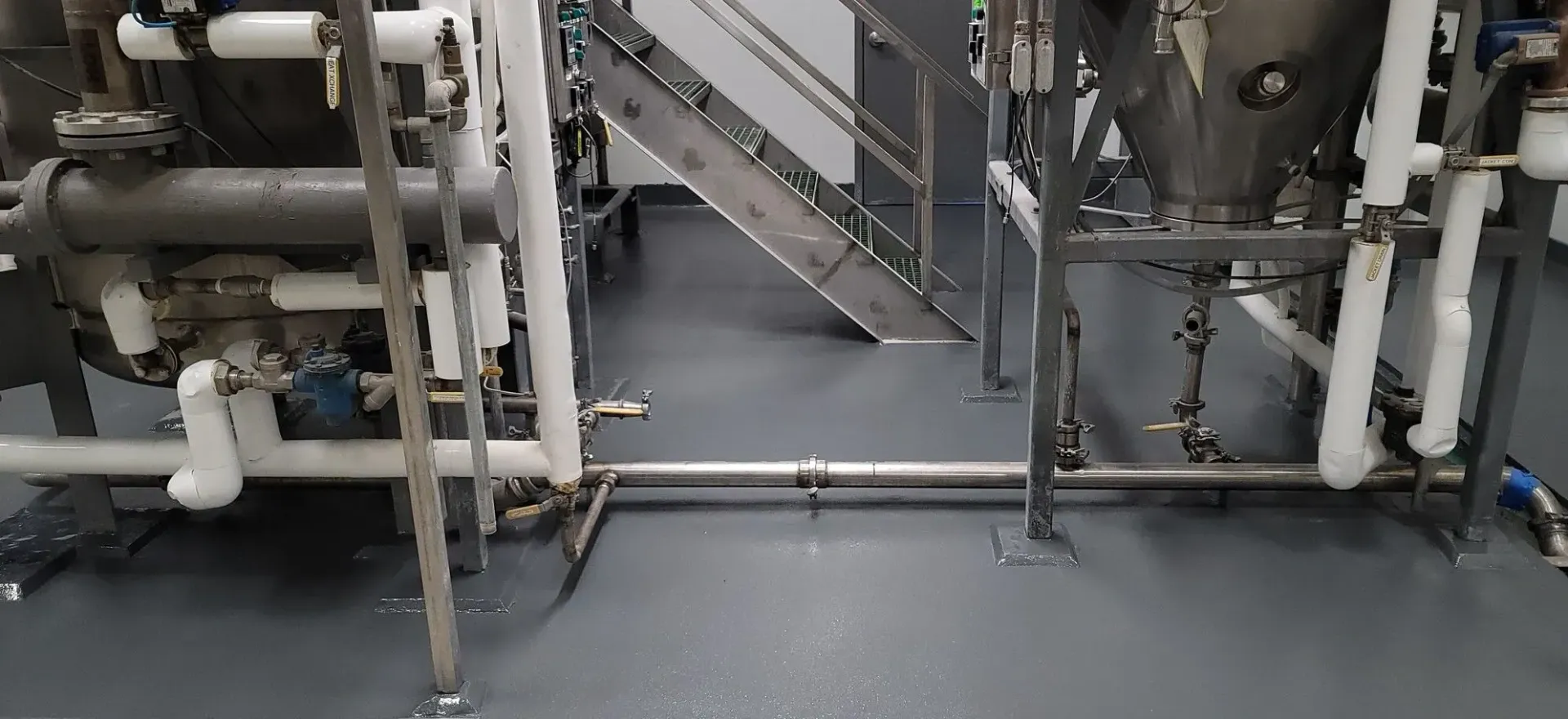
- Seamless and Non-Porous: Resinous floor coatings like epoxy and urethane create a continuous, impenetrable surface. With no grout lines or seams, there's nowhere for bacteria, dirt, or moisture to hide. This makes daily cleaning and sanitization faster and more effective.
- Integral Cove Base: A seamless cove base, which creates a curved transition from the floor to the wall, is a must-have. It eliminates the 90-degree angle where contaminants often accumulate, simplifying wash-downs and preventing water from seeping into the walls.
Pro Tip: Ask your flooring contractor about antimicrobial additives. These can be incorporated into the floor coating to provide an extra layer of protection by actively inhibiting the growth of bacteria and mold on the surface.
2. Durability and Resistance
Food and beverage facilities are high-traffic, high-impact environments. Your floor must be able to handle the daily abuse.
- Abrasion and Impact Resistance: Dropped utensils, heavy carts, and forklift traffic can quickly damage lesser floors. Urethane mortar systems, offered by experts like Extreme IFC, are renowned for their exceptional impact and abrasion resistance, ensuring they stand up to the toughest conditions.
- Thermal Shock Resistance: Floors in commercial kitchens and processing plants are often subjected to extreme temperature swings, from hot oil spills and steam cleaning to freezer storage. A floor that can't handle thermal shock will crack and delaminate. Urethane cement is specifically engineered to expand and contract with the concrete slab, preventing this type of failure.
3. Chemical Resistance
From acidic food byproducts to aggressive cleaning agents, your floor is constantly exposed to chemicals. The right system must be able to resist chemical corrosion. For example:
- Lactic acid in dairy facilities
- Sugars and acids in beverage production
- Oils and fats in commercial kitchens
- Harsh sanitizers and cleaners used during wash-downs
Polyurethane and novolac epoxy coatings offer superior resistance to a wide range of chemicals, protecting the integrity of your floor and the concrete substrate beneath.
Quick Tip: Before choosing a coating, create a list of all chemicals used in your facility, including cleaning agents. Share this with your flooring specialist at
Extreme IFC to ensure the selected system provides the necessary chemical resistance.
4. Safety and Slip Resistance
Wet floors are an unavoidable reality in the food and beverage industry, making slips and falls a major safety concern.
A properly specified floor coating system incorporates slip-resistant properties without compromising its cleanability. This is achieved by broadcasting aggregates, such as quartz sand, into the wet coating during installation. The size and amount of aggregate can be adjusted to achieve the desired level of texture, providing excellent traction even in wet or greasy conditions.
Top Flooring Systems for Food & Beverage Facilities
While every facility has unique needs, a few systems consistently outperform others in this demanding industry.
- Urethane Cement/Mortar Systems: Widely considered the gold standard, urethane cement combines extreme durability, superior thermal shock resistance, and excellent chemical resistance. It's the go-to solution for the most demanding areas, including cook lines, bottling areas, and chemical processing zones.
- Epoxy Mortar Systems: These thick, trowel-applied systems are incredibly durable and impact-resistant. They are a great choice for areas with heavy equipment and forklift traffic.
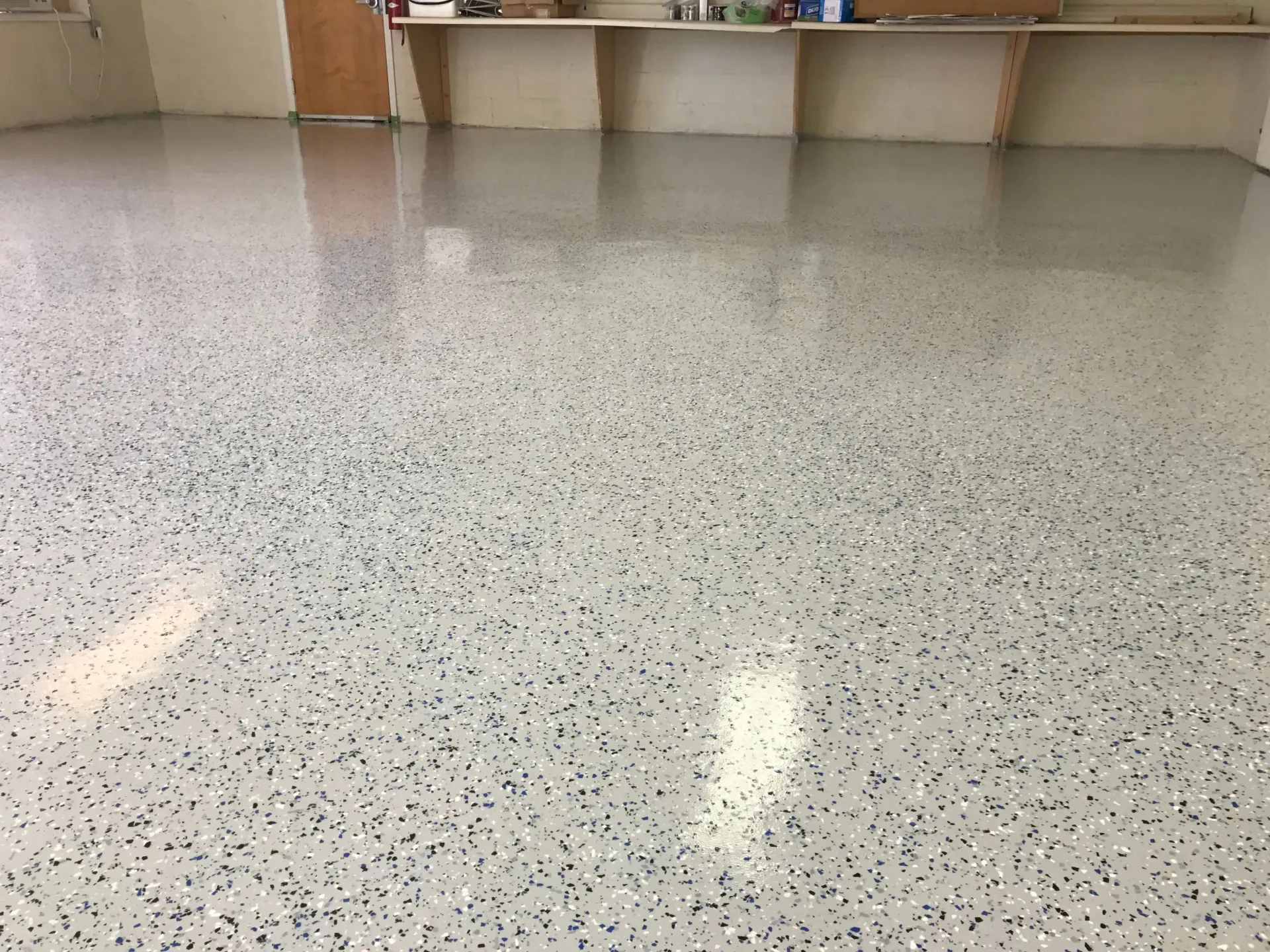
- Decorative Quartz Floors: This system combines durable epoxy or urethane resins with colored quartz aggregates. The result is a highly durable, slip-resistant, and aesthetically pleasing floor that is perfect for commercial kitchens, cafeterias, and processing areas where appearance is also a consideration.
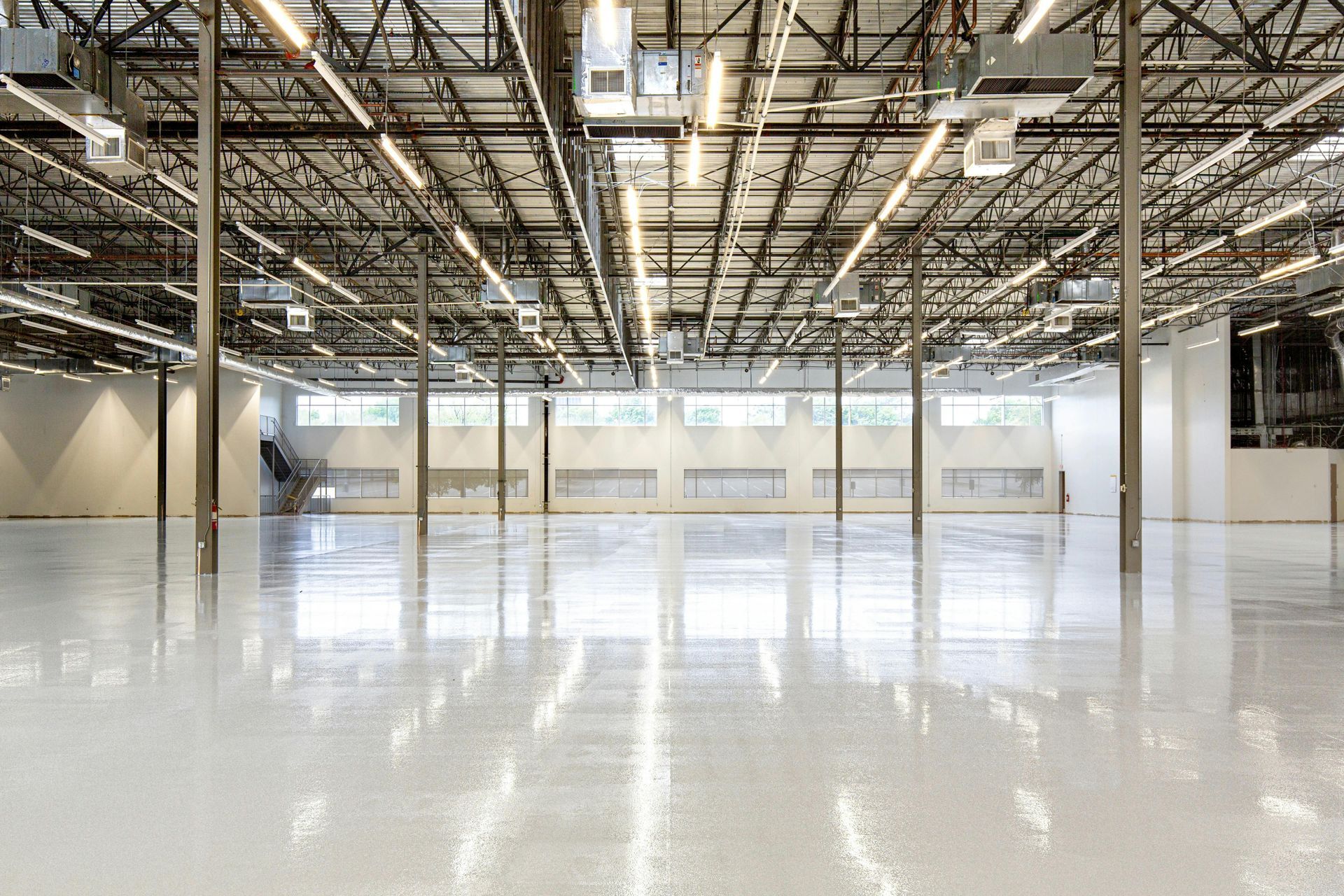
Fun Fact: The color of your floor can impact more than just aesthetics! Lighter-colored floors reflect more light, which can improve visibility and safety in work areas. They also make it easier to spot spills and debris, aiding cleaning efforts.
Partner with an Expert for a Compliant, Long-Lasting Floor
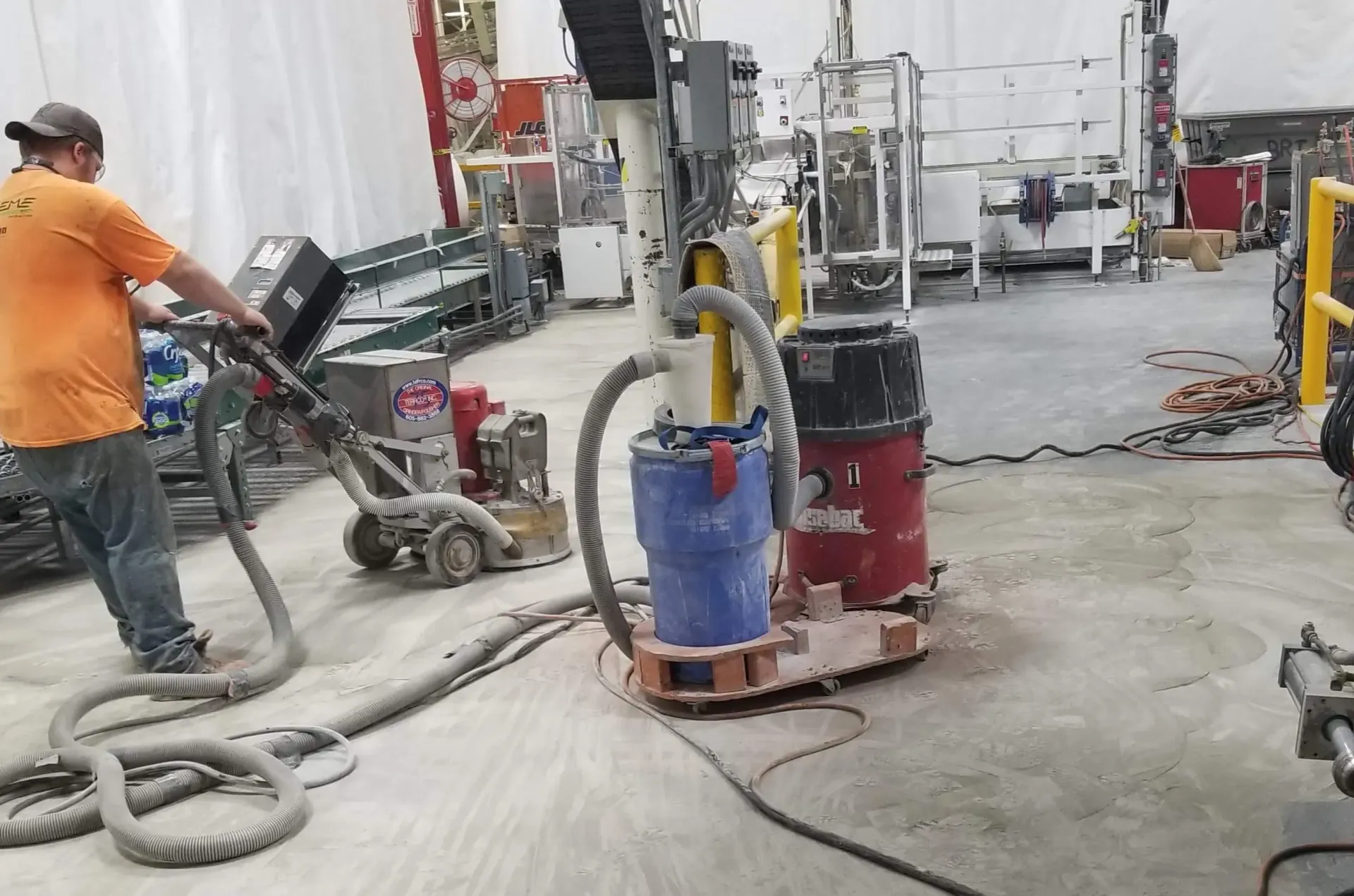
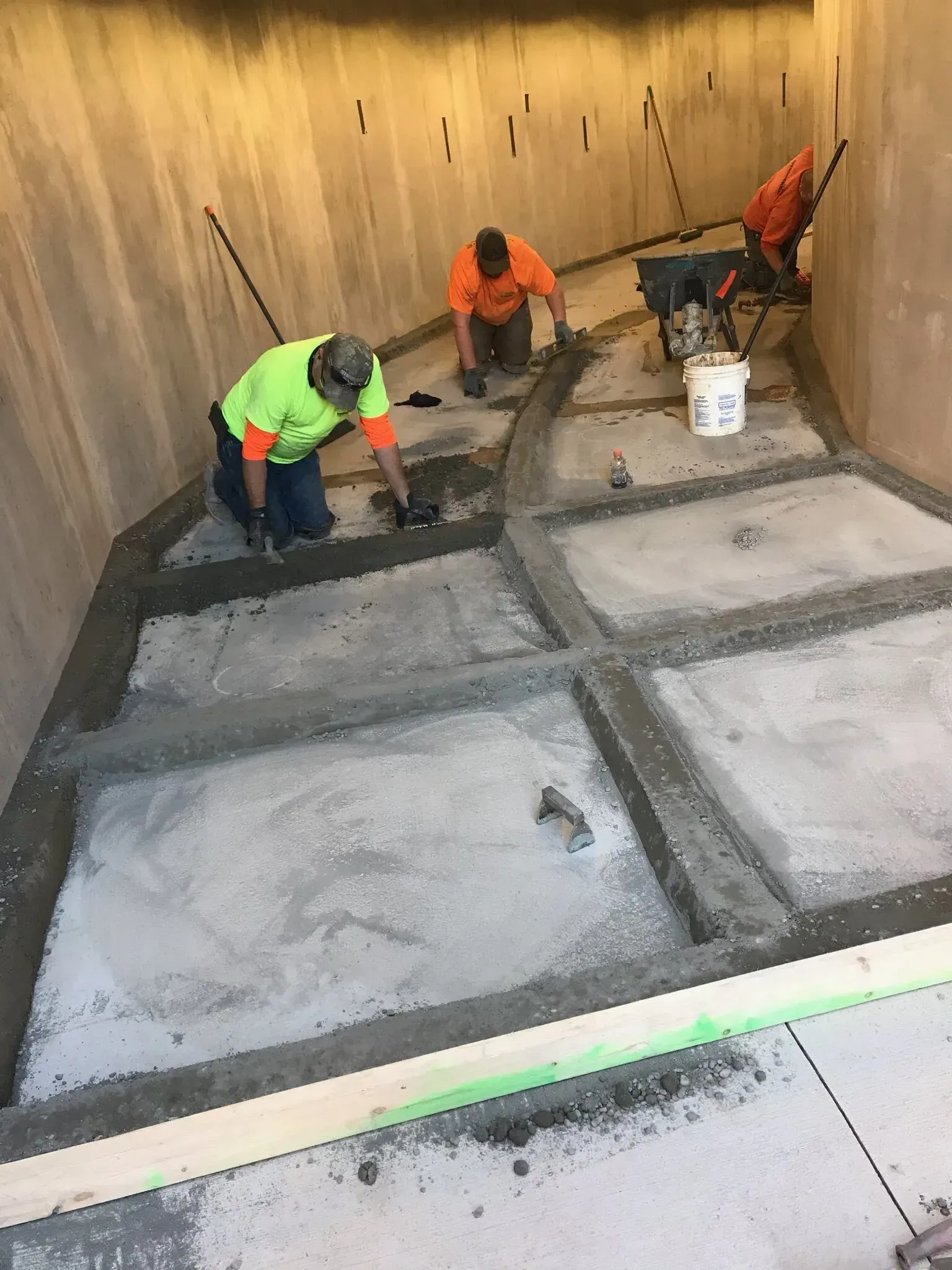
Choosing the right floor coating for your food and beverage facility is a complex but critical decision. The success of the project depends not only on selecting the right material but also on meticulous surface preparation and expert installation.
Working with an experienced contractor like
Extreme IFC ensures that every detail is handled correctly. From evaluating your facility’s specific needs to preparing the concrete substrate and installing a high-performance system, our team has the expertise to deliver a floor that is safe, hygienic, and built to last.
Don’t compromise on a component as critical as your facility’s floor. Invest in a solution that protects your products, your people, and your bottom line.
FAQ
What is the best floor coating for food and beverage facilities?
Urethane cement is widely regarded as the best floor coating for food and beverage environments. It offers exceptional durability, withstands thermal shock, and maintains optimal hygiene standards, making it ideal for demanding settings.
How can I ensure my floor coating meets regulatory standards?
Consulting with industry experts like Extreme IFC is the best way to ensure your floor coating complies with USDA and FDA regulations. Their team tailors solutions to your facility’s needs, ensuring both performance and compliance.